
EXOSOME THERAPY IN CALIFORNIA
A minimally invasive, cell-free regenerative procedure using concentrated exosomes to help signal the body’s own repair process, available at R3 Stem Cell California provider locations across Northern and Southern California. Your first consultation is always FREE.
WHAT IS EXOSOME THERAPY?
Exosomes are tiny, membrane-bound vesicles released naturally by cells — including mesenchymal stem cells — that carry proteins, lipids, and RNA between cells. Think of them as the body’s messaging system: they don’t repair tissue themselves, but they carry the signals that tell nearby cells how to reduce inflammation and begin the repair process.
Exosome therapy uses a concentrated, laboratory-processed exosome product, most often derived from donated umbilical cord tissue, injected into an area of concern. Unlike whole-cell stem cell procedures, exosome therapy is “cell-free” — it contains no living cells, only the signaling molecules those cells produce. At R3 Stem Cell California, it is offered as one of several regenerative options available to patients across the state.
Note on experimental status: Exosome therapy for orthopedic and musculoskeletal conditions is considered investigational by the FDA and is not FDA-approved for these indications. Exosome products are regulated under FDA tissue and biologics guidelines. R3 Stem Cell California discloses this to every patient as part of the consultation process.
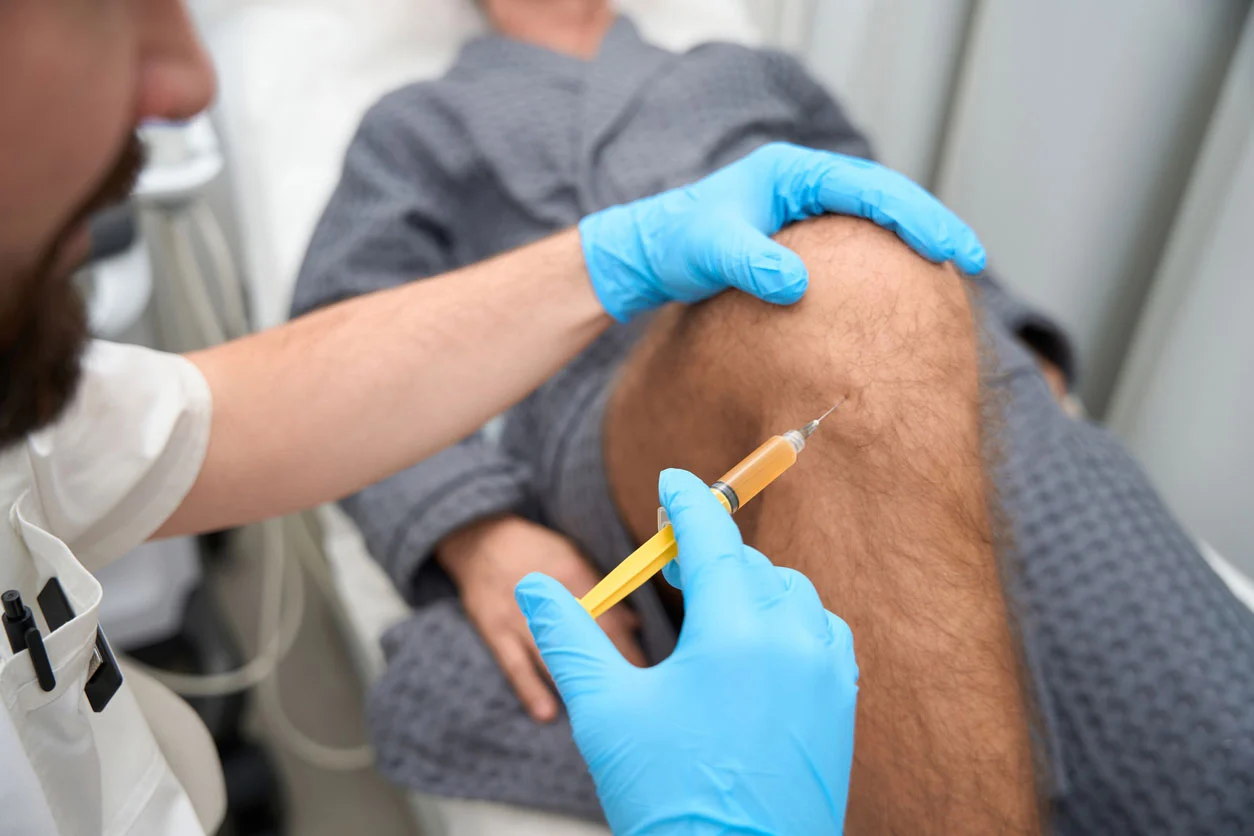
Top 5 Benefits of Exosome Therapy for Joint and Tissue Conditions
Because exosomes are so small, they can reach and influence cells in ways that whole-cell therapies sometimes cannot. This has made exosome therapy one of the fastest-growing areas of interest in regenerative medicine. Below are five reasons patients and providers are paying attention.
Powerful Cell Signaling, Without Whole Cells
Exosomes carry the same growth factors and signaling proteins associated with stem cells, without introducing living donor cells into the body. This "cell-free" approach is part of why exosome products have drawn interest as a next step in regenerative protocols.
Reduces Inflammation
Exosomes are rich in anti-inflammatory signaling proteins. When concentrated and injected into an area of joint or tissue irritation, they may help quiet the inflammatory response that drives chronic pain.
Supports Tissue and Cartilage Repair
Exosomes carry growth factors associated with tissue remodeling. In degenerative joint conditions, this signaling may help support the body's own cartilage and soft tissue maintenance processes.
Very Small Particle Size
Exosomes are dramatically smaller than whole cells, which allows them to travel through tissue and interact with a broader range of surrounding cells once injected into the target area.
Complements Other Regenerative Therapies
Exosome therapy is sometimes used alongside PRP or stem cell procedures as part of a broader regenerative protocol. Your provider will discuss whether a combined approach makes sense for your specific condition.
HOW IS EXOSOME THERAPY ADMINISTERED?

Step 1
The 1st step of the procedure is a consultation and physical evaluation to confirm the treatment area and appropriate exosome product for your condition
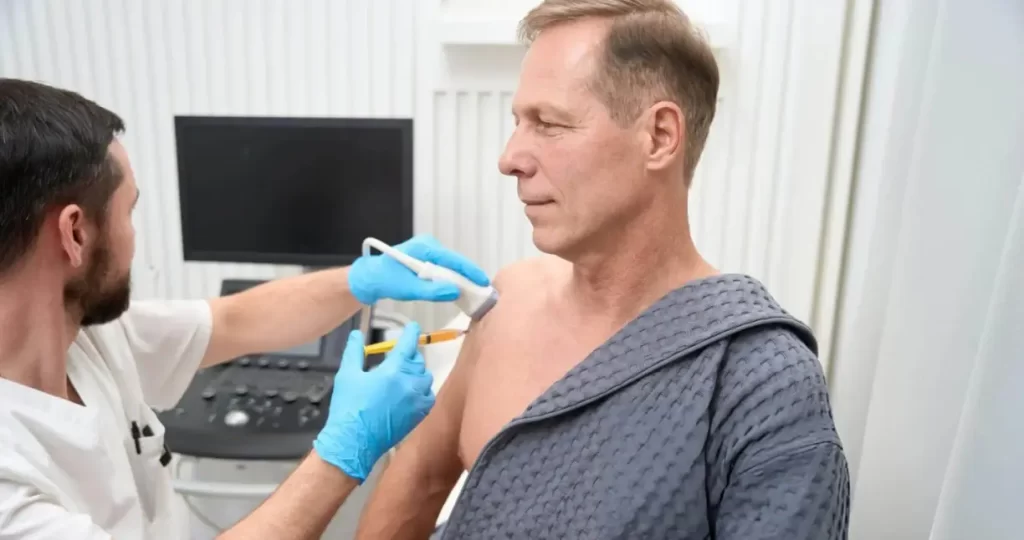
Step 2
The 2nd step consists of injecting the concentrated exosome solution directly into the affected joint, tendon, or soft tissue. Numbing medicine is used to reduce discomfort, and ultrasound guidance may be used for precision when needed.
Once injected, the exosomes begin signaling nearby cells, and the healing process, which typically begins with a short inflammatory phase, gets underway.
TARGETED AREAS FOR EXOSOMES
Patients across California come to R3 Stem Cell California for a range of musculoskeletal and soft tissue concerns. During your consultation, your provider can discuss whether exosome therapy is appropriate for your specific situation. Commonly discussed conditions include:
- Knee, hip, and shoulder joint arthritis
- Rotator cuff and tendon injuries
- Tennis elbow and golfer's elbow
- Ligament sprains and tendonitis
- Lower back and SI joint discomfort
- Bursitis
- Sports-related soft tissue injuries
- Hair thinning and scalp rejuvenation protocols
- Skin rejuvenation protocols (often combined with microneedling)
Not Sure If Exosome Therapy Is Right for You?
That is exactly what the free consultation is for. Your R3 Stem Cell California provider will review your condition, answer your questions honestly, and give you a clear recommendation — with no obligation to proceed.
FREQUENTLY ASKED QUESTIONS
At R3 Stem Cell California, exosome therapy is discussed for musculoskeletal and orthopedic conditions including joint arthritis, tendonitis, ligament sprains, bursitis, and soft tissue injuries, as well as hair and skin rejuvenation protocols. Your provider will confirm whether your specific condition is a candidate during your free consultation.
An exosome is a microscopic, membrane-bound vesicle released by cells that carries proteins, lipids, and genetic signaling material (RNA). Exosomes act as messengers between cells, helping coordinate processes like inflammation control and tissue repair.
The exosome products used are derived from donated umbilical cord tissue, obtained ethically from consenting mothers during planned, healthy cesarean deliveries. The product is processed and screened in FDA-regulated laboratories before use. No embryos are involved
No. Stem cell therapy introduces living cells into the body. Exosome therapy uses only the signaling vesicles those cells release — there are no living cells in the injected product. This is why exosome therapy is often described as "cell-free."
Exosome therapy for orthopedic and musculoskeletal conditions is considered investigational by the FDA and is not FDA-approved for these indications. R3 Stem Cell California discloses this clearly before any procedure is recommended or scheduled.
PRP uses concentrated platelets from the patient's own blood. Amniotic and umbilical cord stem cell therapies use donor tissue containing cells and growth factors. Exosome therapy uses only the cell-free signaling vesicles derived from donor tissue. All are minimally invasive and outpatient; your provider will explain which option, or combination, best fits your condition.
Candidates are typically patients with joint arthritis, tendon or ligament injuries, or soft tissue conditions who want a non-surgical, nonsteroidal option, including those who want to explore treatment before considering whole-cell stem cell procedures. Suitability is determined at the consultation — not assumed in advance.
Exosome therapy is an outpatient procedure. Most visits, from preparation through injection, take approximately 30 to 45 minutes, with no general anesthesia required.
R3 Stem Cell California has affiliated provider locations across both Northern and Southern California. Call (844) GET-STEM or use the contact form on this site to find the nearest provider and schedule a free consultation.
Cost varies depending on the area treated, the amount of product used, and the provider location. Exosome therapy is not covered by insurance and is an out-of-pocket expense. R3 Stem Cell California offers financing options and provides transparent cost information at the consultation with no obligation to proceed.
R3 Stem Cell is the only US company to have achieved Institutional Review Board (IRB) approval for investigating regenerative therapies with amniotic and umbilical cord-derived tissue across multiple condition categories, registered publicly on ClinicalTrials.gov. Exosome-specific research is still early-stage and results vary; R3's network brings real-world clinical experience across tens of thousands of regenerative procedures globally.
Take the First Step, It Costs Nothing
The free consultation at R3 Stem Cell California is not a sales call. It is a clinical conversation with a qualified provider who will give you honest information about whether exosome therapy makes sense for your situation, what the procedure involves, and what it realistically may or may not do.