
Platelet Rich Plasma (PRP) Therapy in California
A minimally invasive regenerative procedure using concentrated platelets and growth factors from your own blood, available at R3 Stem Cell California provider locations across Northern and Southern California. Your first consultation is always FREE.
Platelet Rich Plasma Therapy at R3 Stem Cell California
The human body has an inherent ability to heal tissue, but in certain areas that capacity is just not great. New cells are created all the time in the body, in order to replace old or damaged tissue, but, with age, this capability decreases. Even in younger individuals, the capability is slight (e.g. knee cartilage when damaged).
Certain conditions, such as degenerative arthritis, can cause severe joint pain, and conventional medicine offers treatment that may mask the pain temporarily, but not alter the condition itself. With the help of regenerative medicine and options such as platelet rich plasma therapy (PRP), things are changing right now to repair damaged tissue.
PRP is an innovative therapy that is now gaining in popularity substantially. The procedure entails drawing blood from a patient and then spinning it in a centrifuge machine. This generates a layer of concentrated platelets and growth factors that can possibly reduce pain and regenerate damaged tissue such as tendon or cartilage.
Note on experimental status: Amniotic stem cell therapy for orthopedic and musculoskeletal conditions is considered investigational by the FDA and is not FDA-approved for these indications. The amniotic tissue products used are regulated under FDA tissue bank guidelines (21 CFR Part 1271). R3 Stem Cell California discloses this to every patient as part of the consultation process.
What Are Platelets and What Is Their Role in Repairing Arthritic and Damaged Tissue?
Plasma makes up the liquid part of human blood, and it contains red cells, white cells, and platelets.
Platelets exist in the blood all the time. They play a vital role in blood clotting during an injury and with helping the repair process itself. Once activated, they start releasing proteins responsible for healing, called growth factors. When platelet rich plasma is administered to a person, these growth factors speed up the body’s normal healing capability and may push it farther than it would normally go.
How Is PRP Administered?
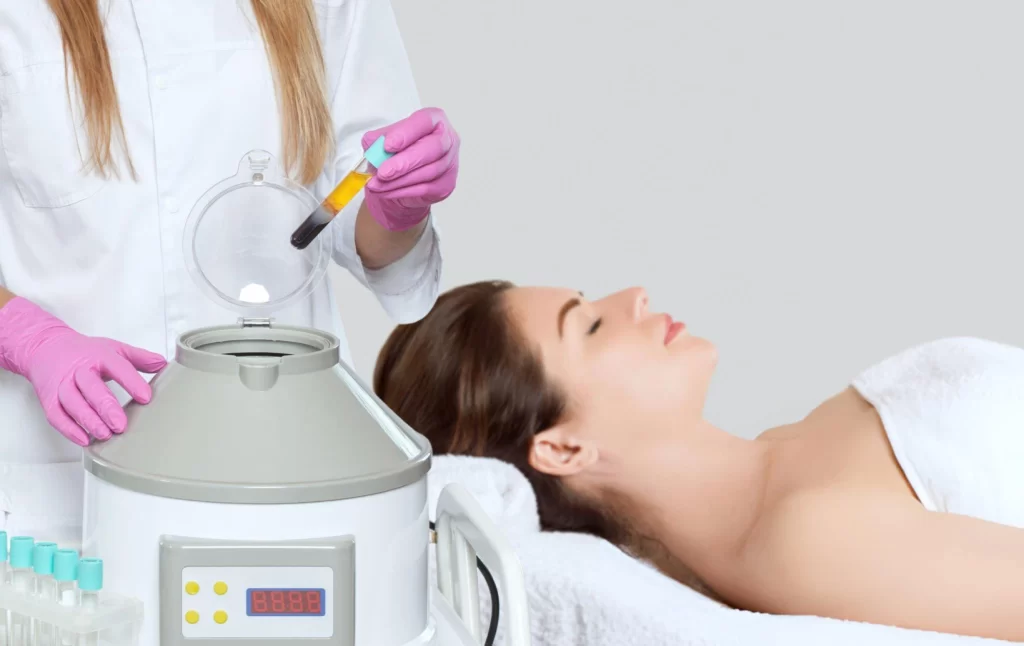
Step 1
The 1st step of the procedure consists of acquiring a bit of blood from the patient, similar to a simple blood draw. Afterwards, the medical personnel uses a centrifuge to separate the platelets from the blood.
The centrifuge process separates the blood into three components. The middle layer contains the heavily concentrated platelets and growth factors, and this is the part used for the procedure
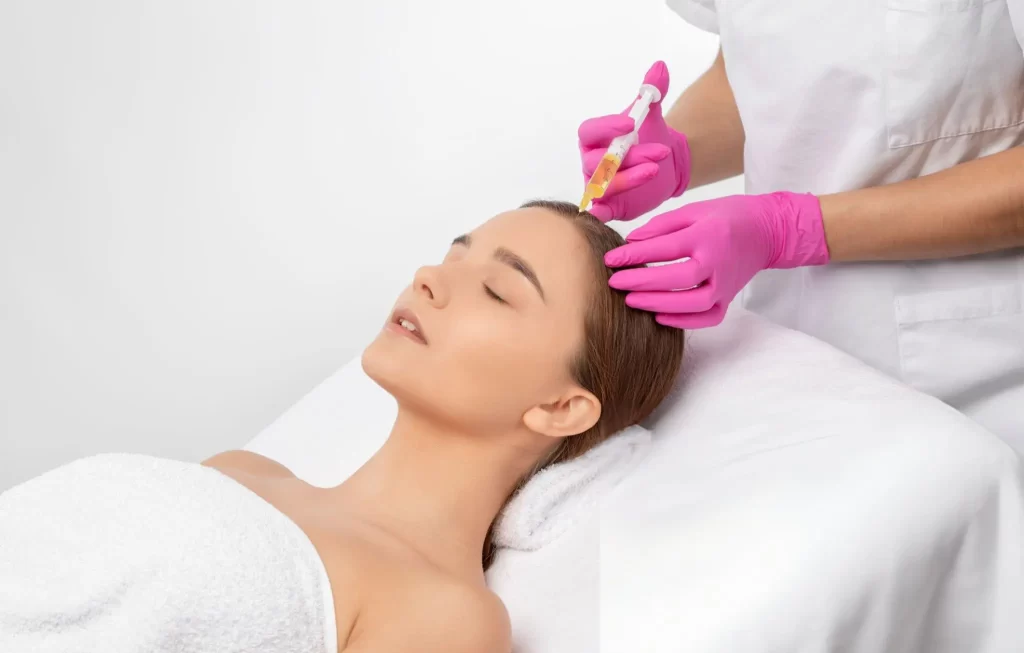
Step 2
The 2nd step of the procedure consists of injecting the concentrated solution, rich in platelets, to the area experiencing pain. Numbing medicine is used to relieve discomfort during the injection procedure.
The doctor will simply inject the platelet rich plasma into the painful area, using ultrasound or x-ray guidance if needed. Once the affected ligament, tendon and joint is injected with PRP, it starts healing with inflammation as the first step.
How Does PRP Work?
Once the platelets are injected in the painful area, they start a powerful regenerative process. They start releasing growth factors, and these will increase blood flow to the area, and generate a healing process.
Also, the platelets and growth factors send out signals which calls in the body’s stem cells as well to promote healing. The damaged tissue is replaced by new cells, and the cartilage has the potential to be identical to what “God gave you”.
What Types of Medical Conditions Are Treated With Platelet Rich Plasma Therapy?
Conditions that involve joint pains and ligament/tendon injuries are often excellent candidates for PRP therapy.
Here is a partial list of the conditions PRP helps considerably:
- Golfer's elbow
- Tennis elbow
- Shoulder tendinitis and rotator cuff injury
- Joint arthritis — hip, spine, knee, ankle, SI joint, elbow, wrist
- Headaches — migraines, occipital neuralgia
- Soft tissue injury — tendonitis, meniscus tears in the knee, ligament sprains
- Sacroiliac joint pain
- Ankle sprains
- Achilles tendonitis
- Plantar fasciitis
- Muscle tears
- Hair loss
- Wrinkles
Because of their immense effects in treating conditions related to tendon, joint, or ligament damage and pain, platelets are frequently used in treating athletes. Athletes such as Kobe Bryant, Tiger Woods, Rafael Nadal, Dwight Howard, and Hines Ward to name a few have benefited from PRP therapy.
When it comes to hair loss, PRP therapy is extremely effective. It is performed with a simple “micropen”, and costs considerably less than plugs or transplants.
What to Expect From Platelet Rich Plasma Therapy?
One to three injections may be necessary in order to get the best result from this therapy. Typically, a break of four to six weeks is recommended between injections.
Initially, especially for the first two days, some swelling may be seen, as the platelets begin working by releasing growth factors. Some pain relief medication and ice packs applied locally will help with this type of discomfort. In a few days, the pain usually starts to reduce as new cells are created, and the body begins healing on its own.
Physical therapy helps contributes to the speed of recovery and pain reduction after the injections of PRP.
More noticeable beneficial effects are experienced after a few weeks. The person will typically start feeling better and better, as joints increase range of motion, and pain continues to decrease. However, it may take up to several months for the platelets to complete the healing process.
A recent study out of the Hospital for Special Surgery published in the Clinical Journal of Sports Medicine looked at PRP injections for arthritis in 22 patients averaging 55 years of age.
The outcomes of the study were fantastic. Participants, by and large, had excellent pain relief that lasted the whole year of follow up. Also, the functional outcomes improved significantly in most of the patients.
MRI’s showed that in 75% of patients, no further cartilage degradation could be seen. Typically with arthritis, 4 to 6% of a person’s cartilage degenerates each year. In this study, the platelet rich plasma injection appeared to halt knee degeneration in 75% of the patients.
How Is Platelet Rich Plasma Therapy Different From Conventional Methods?
Extreme pains caused by osteoarthritis or tendon injuries are usually treated with cortisone injections. However, this method does nothing to treat the cause of the pain and it only masks it, making the patient feel it less.
On the other hand, platelet rich plasma therapy contributes to healing the affected area along with reducing the pain. If you would like to be considered for PRP treatment at R3 Stem Cell California in either Northern or Southern California, contact us today.
Not Sure If PRP Therapy Is Right for You?
That is exactly what the free consultation is for. Your R3 Stem Cell California provider will review your condition, answer your questions honestly, and give you a clear recommendation — with no obligation to proceed.
FREQUENTLY ASKED QUESTIONS
Platelet rich plasma (PRP) therapy is a regenerative procedure in which a small amount of the patient's own blood is drawn, spun in a centrifuge to concentrate the platelets and growth factors, and then injected into the area being treated. The concentrated platelets release growth factors that signal the body's natural healing process and may stimulate tissue repair in tendons, ligaments, cartilage, and joints.
At R3 Stem Cell California, PRP therapy is used for a wide range of musculoskeletal and orthopedic conditions including joint arthritis (knee, hip, shoulder, ankle, spine, SI joint), rotator cuff tendinitis, tennis and golfer's elbow, Achilles tendonitis, plantar fasciitis, ligament sprains, meniscus tears, muscle tears, sacroiliac joint pain, and soft tissue injuries. PRP is also used for hair loss and as part of non-surgical facial rejuvenation.
PRP is cleared by the FDA as a device used in certain clinical settings but is not FDA-approved as a treatment for specific musculoskeletal indications. R3 Stem Cell California informs every patient of this clearly before any procedure is recommended or scheduled.
Cortisone is a corticosteroid that temporarily reduces inflammation and pain but has no regenerative effect — and with repeated use, cortisone can actually degrade joint tissue over time. PRP works differently: it introduces concentrated growth factors from your own blood that signal the body to initiate a healing and repair response at the treatment site, not just mask symptoms.
PRP uses concentrated platelets and growth factors from the patient's blood. It does not contain stem cells itself, but the growth factors it releases can call the body's own stem cells to the treated area. Stem cell procedures — such as bone marrow or fat-derived injections — directly introduce mesenchymal stem cells alongside growth factors. PRP is often used as a standalone procedure or combined with stem cell therapy to enhance results. Your provider will recommend the right approach for your condition.
The full procedure — blood draw, centrifuge processing, and injection — is completed in a single outpatient visit, typically taking 45 to 60 minutes from start to finish. No general anesthesia is required.
The blood draw is similar to a standard blood test. The injection itself is managed with local numbing medicine and is comparable in discomfort to a standard joint injection. Some swelling and soreness at the injection site is normal for the first two to three days as the platelets begin releasing growth factors — this is part of the healing process.
One to three injections are typically recommended to achieve optimal results, with a break of four to six weeks between sessions. The exact number depends on the condition being treated, the severity of the damage, and how your body responds to the first injection. Your provider will advise based on your individual situation.
Most patients begin noticing improvement within a few weeks of treatment, with results continuing to develop over several months as the tissue heals. The full healing process can take up to six months. Physical therapy alongside PRP treatment can help speed recovery and improve outcomes.
Yes. A study from the Hospital for Special Surgery, published in the Clinical Journal of Sports Medicine, evaluated PRP injections for knee arthritis in 22 patients. Participants reported excellent pain relief sustained throughout the full year of follow-up, significant functional improvement in most cases, and MRI findings showing no further cartilage degradation in 75% of patients — notable given that arthritis typically causes 4 to 6% cartilage loss per year. The R3 network has also performed over 29,000 regenerative procedures globally, with IRB-approved research registered on ClinicalTrials.gov.
Yes. PRP therapy is used for hair loss at R3 Stem Cell California. It is administered using a micropen technique and is considerably less invasive and less expensive than hair plugs or transplants. The growth factors in PRP stimulate follicle activity and may support hair regrowth in suitable candidates.
R3 Stem Cell California has affiliated provider locations across both Northern and Southern California, including cities in the Bay Area, Sacramento region, Orange County, and San Diego. Call (844) GET-STEM or use the contact form on this site to find the nearest provider and schedule a free consultation.
Cost varies depending on the area treated, the number of injections recommended, and the specific provider location. PRP is generally not covered by insurance for musculoskeletal indications and is typically an out-of-pocket expense. R3 Stem Cell California offers financing options and provides transparent pricing at the consultation with no obligation to proceed.